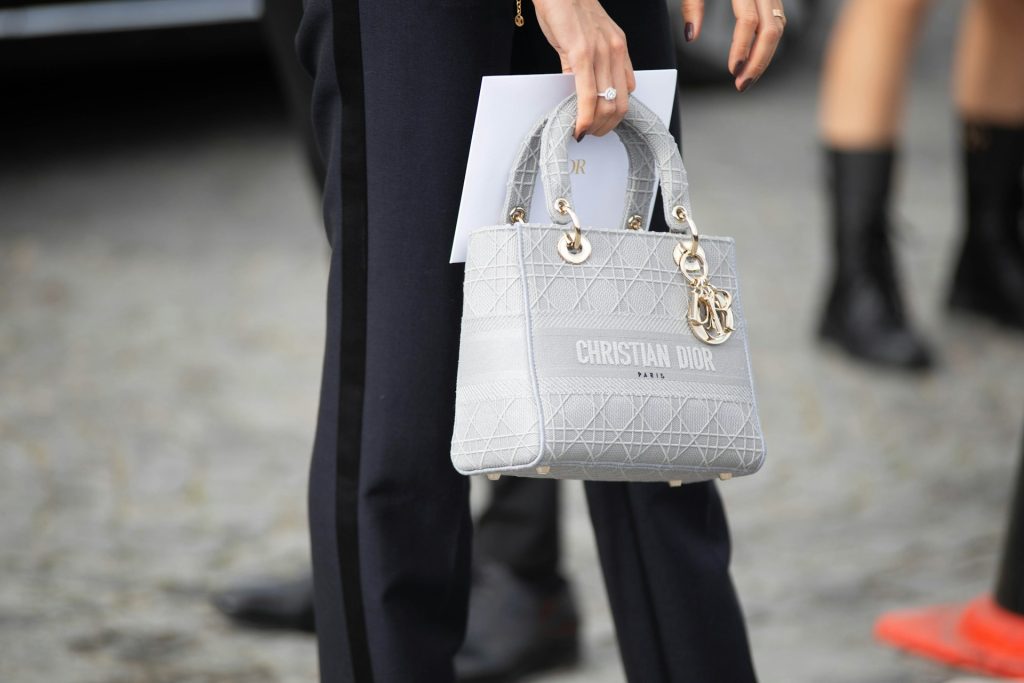
A first designer bag is usually a four-figure decision made with very little practice. Most of the mistakes come from buying the logo instead of the bag, or from treating the purchase as an investment when it is really a wardrobe item.
Pick the shape for your actual life
Before you look at brands, decide how the bag will be carried and what has to fit inside it. A structured top-handle bag photographs beautifully and is a nuisance on a commute. A crossbody leaves your hands free and takes daily abuse better. A tote swallows a laptop but slumps if the leather is soft. Think about the three most common days in your week and buy for those, not for the one wedding a year.
Color matters more than model. Black, tan, and deep brown go with nearly everything you own and stay in rotation for years. A seasonal color is where first-time buyers most often lose money, because the thrill fades before the bag wears out.
What quality looks like up close
Hold the bag and slow down. Stitching should be small, even, and straight, with no loose threads at the corners. Hardware should feel heavy and move smoothly; light, rattly zips are the quickest tell of a corner cut. Check the edge paint on straps and handles, since cracked edges are the first thing to age on a cheaply finished bag. Look inside too. A good house lines the bag as carefully as it finishes the outside.
Be honest about material. Coated canvas is durable and easy to clean, but you are paying leather prices for plastic-coated cotton at several big houses. Full-grain leather ages into character. If two bags cost the same, take the better leather from the quieter brand over the louder logo.
Buy from an authorized seller, because fakes are good now
The counterfeit trade has moved far beyond obvious street-market knockoffs. In fiscal year 2025, US Customs and Border Protection seized more than 78 million counterfeit items that would have been worth over 7.3 billion dollars had they been genuine, and handbags sit near the top of the seized categories year after year. Superfakes fool casual inspection, which is why the safest first purchase is new, from the brand itself or an authorized retailer. In the US, a large retailer such as Nordstrom carries the major houses online with free shipping and free returns, so you can judge the bag in your own hands and send it back if the size or leather is not what you expected. A deal from an unknown site that is hundreds below retail is not a deal.
If you do go pre-owned to stretch the budget, stick to established resale platforms with authentication and return policies, and keep your expectations sober about condition.
Forget the investment pitch, with two exceptions
Sellers love to call handbags investments. For almost all bags this is nonsense, since the moment you carry one it becomes a used bag worth less than you paid. The exceptions are narrow: Hermès Birkins and Kellys and a couple of Chanel classics, which are supply-controlled enough that clean examples hold or beat retail. Sotheby’s has sold nearly 200 million dollars of Hermès bags since 2021, and Jane Birkin’s own battered original went for about 10 million dollars at auction in 2025. If you are not shopping at that level, and for a first bag you should not be, buy the bag to wear it, and judge the price by how often it will actually leave the house.
Make it last
Store the bag stuffed and upright in its dust bag, not hanging by the straps. Keep it off the floor in restaurants, wipe the hardware now and then, and treat leather before the rainy season rather than after the first soaking. Save the box, cards, and receipt even if resale feels unlikely today, because a documented bag is worth noticeably more if you ever change your mind. A well chosen bag, looked after, will outlast most of the clothes it gets carried with.